

FDIC-Insured - Backed by the full faith and credit of the U.S. Government
FDIC-Insured - Backed by the full faith and credit of the U.S. Government


Fraud / Identity Theft
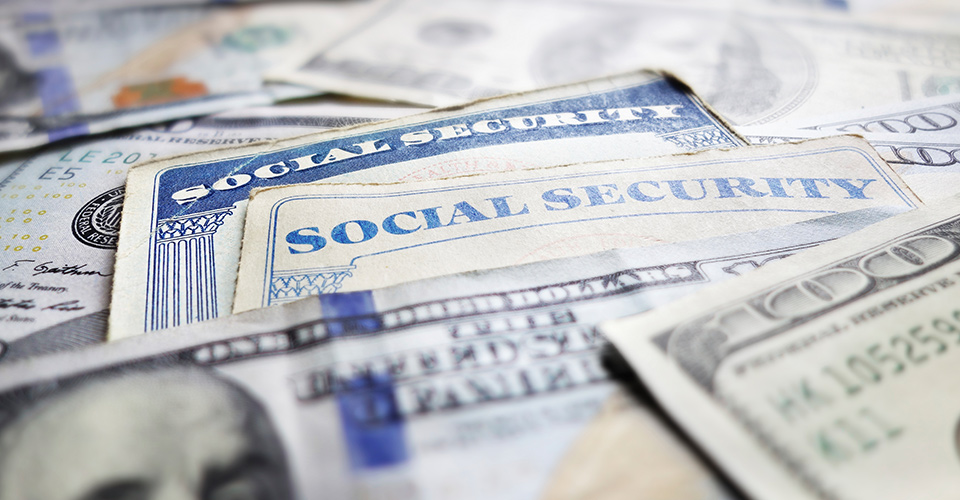
How to protect your most valuable possession – your identity
What is identity theft?
Identity theft happens when someone uses personal information like your name, Social Security number or credit card number without your permission to commit fraud or other crimes. Identity theft is the fastest-growing crime in the world. The National Council on Identity Theft Protection reports that identify theft cases have nearly tripled over the last, with victims losing $500 on average. Here are a few ways to protect yourself:
Passwords. Don’t use an obvious password like your birth date, your mother’s maiden name or the last four digits of your Social Security number.
Personal information. Don’t give out personal information over the phone, through the mail or on the internet unless you know who you’re dealing with.
Phishing. Never click on links sent in unsolicited emails. If you want to visit a site mentioned in an email, type in a web address you know. Keep your anti-spyware and anti-virus software up to date. Visit OnGuardOnline.gov for more information.
Social Security. Don’t carry your Social Security card in your wallet or write the number on a check. Give your Social Security number out only if absolutely necessary or ask to use another identifier.
Shredding. Shred any documents containing personal information before you discard them.
Travel. If you’re going on vacation or a business trip, call your credit card provider(s) and let them know where you’re going and for how long. The same advice applies to your debit card. Call your local bank branch to let us know you may be using your card in a distant state or abroad.
Think you might be a victim? Follow these recovery steps from the Federal Trade Commission.
8 Tips to Stop an Identity Thief
Courtesy of the American Bankers Association
Keep your secrets. Don’t give your Social Security number or account information to anyone who contacts you online or over the phone. Protect your PINs and passwords and don’t share them with anyone. Use a mix of letters and numbers for your passwords and change them periodically. Never reveal sensitive or personal information on social networking sites.
Shred sensitive papers. Shred receipts, bank and credit card statements before tossing or recycling.
Keep an eye out for missing mail. Fraudsters look for monthly bank or credit card statements and other mail containing your financial information. Bank online and use bill pay online to guard against paper statements being stolen. Also, don’t mail bills from your mailbox with the flag up.
Bank online to protect yourself. Monitor your financial accounts regularly for fraudulent transactions. Sign up for text or email alerts from your bank for certain types of transactions, such as online purchases or transactions of more than $500.
Monitor your credit report. Order a free copy of your credit report every four months from one of the three credit reporting agencies at annualcreditreport.com.
Protect your computer. Keep the virus protection software on your computer active and up to date. When conducting business online, make sure your browser’s padlock or key icon is active. Also look for an “s” after the “http” to be sure the website is secure.
Protect your mobile device. Use the passcode lock on your smartphone and other devices to keep thieves from accessing your information if your device is lost or stolen. Before you donate, sell or trade your mobile device, be sure to wipe it using specialized software or the manufacturer’s recommended technique. Some software lets you wipe your device remotely if it’s lost or stolen. Be careful when downloading apps as they may contain malware. Avoid opening links and attachments, especially from senders you don’t know.
Report any suspected fraud to your bank immediately. Contact us.
AARP Scam Alerts
Bank Impostor Scams
Banking has changed a lot thanks to the internet, but so have bank-related crimes. Some criminals are cashing in on mobile and online transactions by impersonating banks. These scams start with a phone call, email or text that appears to come from your financial institution. They usually carry urgent warnings about problems with an account or transaction and direct you to click a link or call a number. Know this: A reputable bank will not contact you out of the blue asking for sensitive information. If you’re targeted by one of these scams, don’t engage. Instead, verify your bank’s official phone number then call it immediately to address the problem.
Home Repair Scams
Unfortunately, shady contractors are out there looking for homeowners in the market for home repairs. Contractor fraud and home improvement scams can cost homeowners thousands of dollars and leave you with shoddy workmanship, unfinished projects or even damage to your home. Scammers often target older adults, but anyone can fall victim. Here are three ways to stay safe from a home improvement rip-off:
Gift Card Scams
Gift card sales are as popular with consumers as they are with criminals. In fact, researchers estimate fraud victims lose $40 to $50 billion to gift card scams each year. People are defrauded using gift cards in two primary ways:
Investment Scams
Investment schemes and scams asking for cryptocurrency as a form of payment are on the rise.
Many scams have evolved to seek crypto as a form of payment, due largely to the ease of accessing crypto ATMs in retail locations. Be wary of any “can’t miss” investment opportunities, especially if they come from the internet or new contacts that you’ve never met in person.
IRS Impostor Scams
One of the longest-running impostor scams involves the IRS, so tax time is a good time to draw attention to it. Most IRS impostor scams begin as a robocall, with the message either directing you to press a number on your keypad to talk with a live agent, or to call back using the number provided. The messages can be negative (“you owe back taxes”) or positive (“you’re receiving a refund”). Either way, there’s an urgent request to call a number or click a link. Remember, the IRS doesn’t initiate contact via text or email. If you get a call claiming to be from the IRS, hang up – or better yet, don’t pick up the call to begin with. If you think you may owe taxes, call the IRS at 800-829-1040 or visit irs.gov/balancedue.
Moving Scams
Whether you’re relocating for work, downsizing or sending a child off to college, who you hire to help with the moves matters a lot. Cutting corners to save money on your move could lead you right to a criminal scammer. Moving scams are committed by rogue operators, mainly online. They solicit business by offering lowball estimates, often without laying an eye on what’s being moved. They might demand a hefty deposit or even full payment in advance. With your deposit in hand, they might simply not show up on moving day. Or they’ll try to raise the price at the last minute. Worst of all, some companies will pick up your belongings but then demand more to deliver them.
To avoid moving scams, get multiple quotes and check references. While we all want to save money, cheaper isn’t always better when it comes to moving your personal goods safely and securely.
Real Estate Scams
Beware of real estate firms offering small cash payments to homeowners to serve as their exclusive real estate agent. Unlike most real estate contracts that last months at most, these agreements may rope you in for decades. The good news: Seven states have passed legislation based on a model bill AARP developed with other national stakeholders prohibiting these types of predatory contracts. Several other state legislatures are considering passing legislation based on AARP’s model bill.
Student Loan Relief Scams
Be wary of any unsolicited contacts from "debt relief experts" offering access to instant, easy-to-access loan forgiveness options. They often ask for upfront payment or personal information such as your Social Security number or your FSA ID (the username and password on your loan account). It’s illegal for debt relief companies to collect payment from you before they get results, so upfront fees are a surefire sign of fraud. These offers also provide nothing you can't find yourself for free by contacting your loan servicer or the U.S. Department of Education.
Social Security Scams
Social Security impostor scams are among the most reported scams each year. The Social Security Administration (SSA) has reported that scammers contact people claiming they have to pay a fee or share personal information to receive higher payments. The truth is that those adjustments happen automatically. The best way to fight back against Social Security impostors is to remember that the SSA will not contact you out of the blue. Any unsolicited call claiming to be from Social Security is likely to be fraud – especially if they ask for personal or financial information or payment.
Spring Break Travel Scams
Travel scams abound, especially during spring break. Be wary of any deal priced dramatically lower than anything else available at your destination. Next, verify the legitimacy of online travel sites by looking closely at the web address. Scammers often “spoof” legitimate hotels and third-party booking sites. Finally, don’t trust anyone who requests a wire transfer or prepaid gift card to pay for your getaway. These are the payment forms preferred by today’s scammers.
AARP Advice & Resources
AARP ReST: Emotional Support for Fraud Victims
Nearly two in three fraud victims suffer a significant health or emotional impact, according to research by the FINRA Investor Education Foundation. To address this reality, the AARP Fraud Watch Network and Volunteers of America (VOA) developed a free program to provide emotional support for people affected by fraud. AARP VOA ReST, which stands for Resilience, Strength and Time, features small groups of participants led in discussion by one or more trained peer facilitators. These online, hour-long sessions help re-establish trust, integrate your experience and build back your resilience despite a difficult and painful ordeal. Discussions are confidential and open to one session or more – it’s your choice.
National Consumer Protection Week
The second week of March is National Consumer Protection Week —and while AARP is focused on protecting consumers year-round – this is a good time to highlight some key consumer protection tips. Giving out personal or financial information to someone who contacts you is a high-risk proposition. Rather than clicking links from texts and emails from your bank or from businesses you have accounts with, type the address in yourself on your app or web browser so you know you are going to the legitimate site. Engage your inner skeptic when a communication produces a strong emotional response. Scammers want us “under the ether” of emotion to get us to believe their lies.
Staying Safe Online
About one fourth of fraud reports indicate the contact method was an online source (website, app, pop-up ad or social media) and in 6 out of 10 cases, the victim lost money. One reason these attacks are so successful is that criminals make it very hard to tell the difference between a legitimate website and a fake one. The same goes for online ads. To avoid going to a fake website, don’t click on links from emails or text messages. Type the web address into your browser window yourself. And be dubious of online ads that seem too good to be true. Ditto for phone calls. The FTC found that victims of phone and text scams lose more money on average than those on the internet.
Where to Turn After the Scam
Scammers are career criminals skilled at the art of manipulation, and no one is immune. So, what can you do if you experience fraud? One resource is the AARP Fraud Watch Network Helpline. Every weekday, trained AARP volunteer fraud fighters help victims, and their families understand what happened, report the crime and start to put their lives back together. If you or someone you know has been the victim of fraud, call the AARP Fraud Watch Network Helpline at 1-877-908-3360. And be sure to file a report with local police, which will serve as evidence in restitution down the line.
Be a fraud fighter.
If you can spot a scam, you can stop a scam. Report scams to local law enforcement. Visit the AARP Fraud Website for more information and check out this helpful Fake Check Scam infographic from the Federal Trade Commission and the American Bankers Association. View infographic.

Explore Fraud / Identity Theft

